

The first and most important factor to consider is the acidity of the fluid being pumped through the hose. Acidic fluids can cause the hose to degrade and fail prematurely. Therefore, acid fracturing hoses are made of materials that are highly resistant to chemical degradation, such as fluoroelastomers, which are known for their exceptional resistance to acids, bases, and other harsh chemicals.
Another important factor to consider is the pressure at which the hose is operating. Acid fracturing hoses must withstand high pressures, typically ranging from 5,000 to 15,000 psi. To ensure the hose can withstand these pressures, it is reinforced with multiple layers of high-strength materials, such as Kevlar or Aramid fibers.
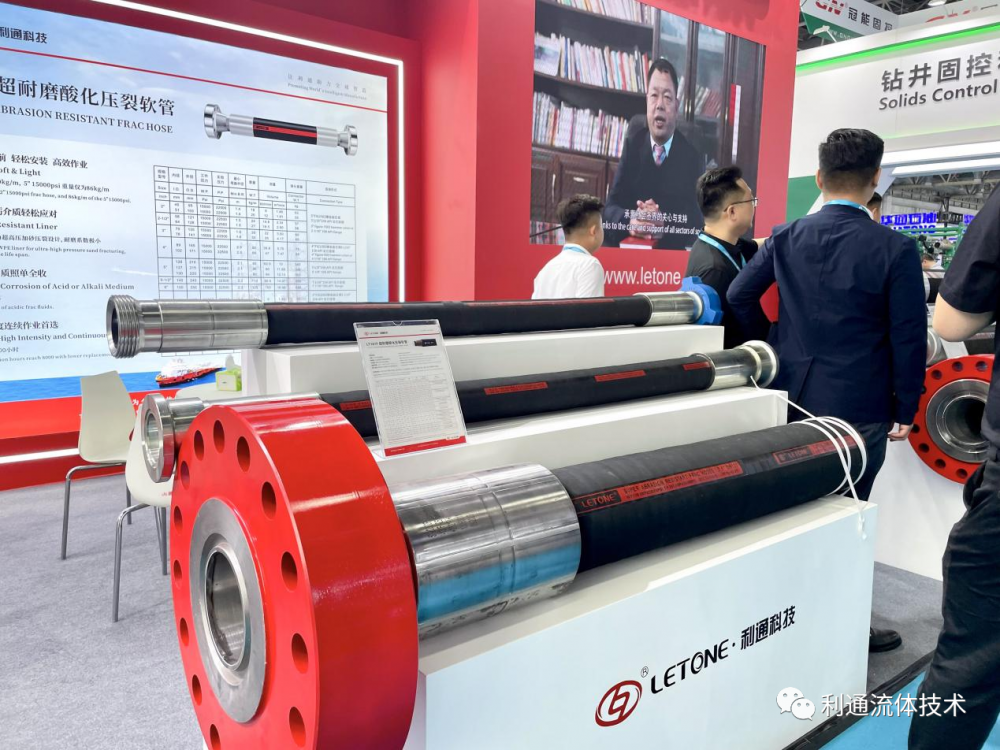
The temperature of the fluid being pumped through the hose is also a critical factor to consider. Acid fracturing fluids can reach temperatures of up to 300 degrees Fahrenheit, which can cause the hose to soften and lose its structural integrity. Acid fracturing hoses are designed to withstand high temperatures and are often made of materials such as fluoropolymers or special heat-resistant elastomers.
Lastly, the abrasiveness of the fluid being pumped through the hose should also be considered. Acid fracturing fluids can contain solid particles such as sand or proppants, which can cause significant wear and tear on the hose. To combat this, acid fracturing hoses are often lined with abrasion-resistant materials such as ceramic or tungsten carbide.
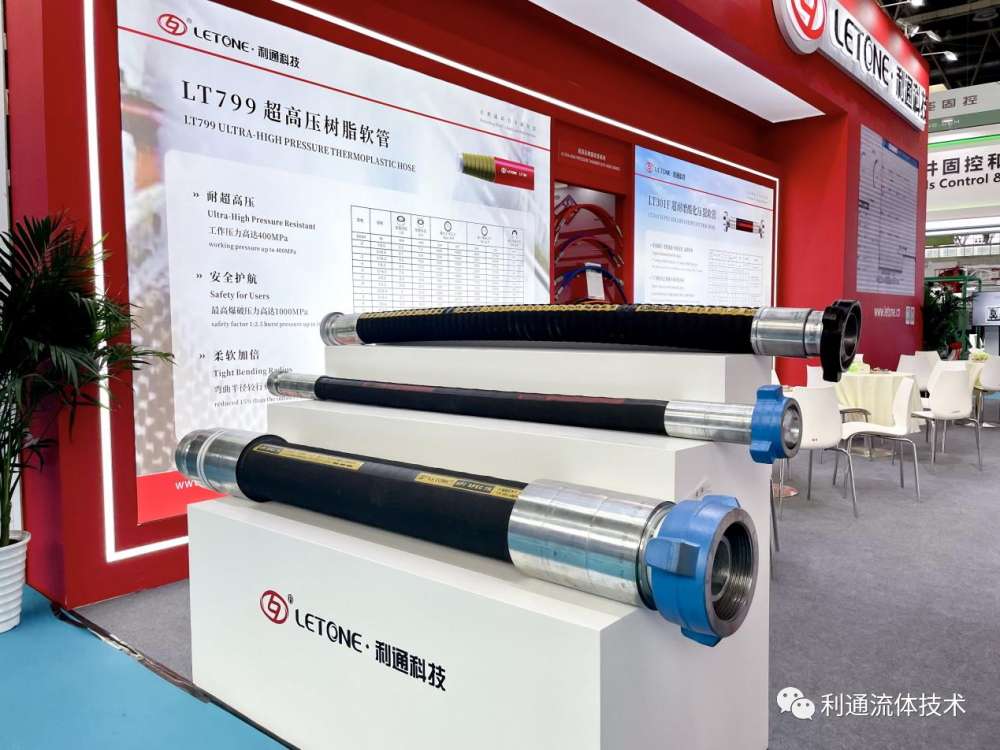
In conclusion, operating conditions such as fluid acidity, pressure, temperature, and abrasiveness are all critical factors that must be considered when selecting an acid fracturing hose. To ensure optimal performance and longevity of the hose, it is important to select a hose that is specifically designed to handle these harsh operating conditions.