

In the old days, there was simple fuel hose that worked fine with the gasoline formulations of the day. Today, a fuel line needs to be compatible with ethanol and modern additives that boost the octane level of gas.
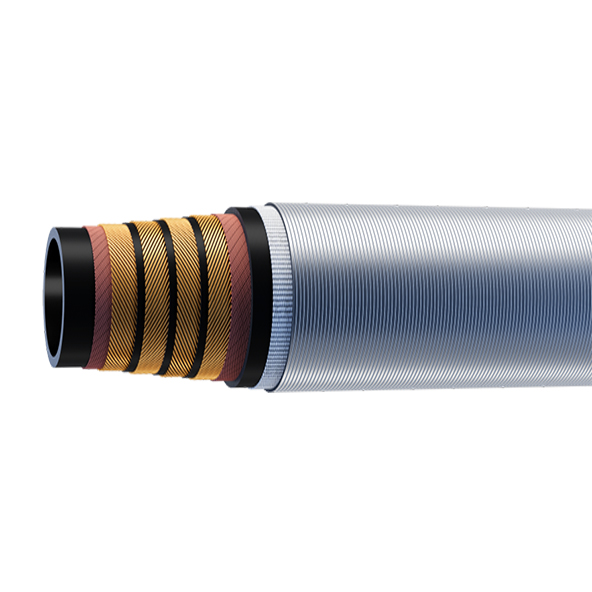
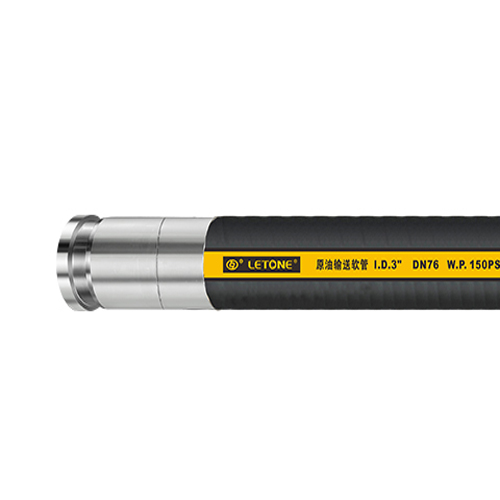
Our RP1 petroleum hose is designed for tank truck and in-plant refueling applications with 150psi pressures. It's kink resistant with a premium softwall design.
Nitrile Rubber
Nitrile rubber (abbreviated NBR) is an important type of synthetic rubber with a high resistance to aliphatic hydrocarbon oils and fuels. It is also resistant to a wide range of chemicals and solvents. It is not as flexible as natural rubber, but it has superior strength and resilience.
The oil resistance of nitrile rubber increases with the amount of acrylonitrile in the polymer; however, higher acrylonitrile content also reduces its flexibility and ability to withstand lower temperatures. The elasticity of NBR can be improved by the addition of sulphur.
NBR is often used in petroleum hoses as it is able to resist the effects of oil, petrol and diesel-biodiesel blends. However, it is not resistant to ageing and weathering. The best solution for preventing this is to use a hose with a thicker layer of fabric reinforcement. This prevents the hose from degrading too quickly in harsh environments. Nitrile rubber is also a popular choice for automotive seals, diaphragms and gaskets.
Neoprene
Neoprene is another common material used in petroleum hoses, mainly because it has good resistance to hydrocarbon oils and acids. This rubber also resists degradation from ozone and is a strong insulator. It can be used for applications with a wide temperature range and is flame retardant.
Unlike natural rubber, it is not prone to physical failures such as cuts or punctures. It is also highly pliable. Its ability to withstand high temperatures is one of the reasons it is so popular with surfers, and many surfwear brands incorporate this material into their suits.
The most common use for neoprene is in oil resistant rubber gaskets. It is often combined with nitrile in tank truck hoses and outdoor oil hoses. It is also frequently used in ducting and mats that may see contact with oil. It is similar to styrene butadiene (SBR), which is more common for air hoses and gaskets, though it does not perform well with oil and hydrocarbons.
Polyurethane
Polyurethanes are found in most of our homes and businesses as insulation foams, flexible mattresses and seats, soft toys, tough elastomers, paints and coatings, and many other applications. They have the best balanced properties of plastic and rubber, with good tensile and elongation values and good abrasion resistance. Polyurethanes can also withstand a wide range of chemicals and fluids, including most petroleum products like gasoline, paraffin, tall oils and kerosene.
They are produced by a series of addition reactions using monomers that can be designed with a large variety of properties depending on the molecular weight, functionality and chain length. The reaction is catalysed with organotin or tertiary amine-based compounds to reduce the reactivity of isocyanate groups and increase the reaction rate.
Blowing agents are used to create a foam structure and can be divided into two categories: physical blowing agents, such as chlorofluorocarbons (CFCs), and chemical blowing agents. Chemical blowing agents have lower toxicity than CFCs and are more environmentally friendly.