

Choosing the right hydraulic hose for your application requires knowing the type of fluid it will transport. It should also be compatible with the operating environment.
The tube must be flexible and should be made of a compound such as synthetic rubber, thermoplastics or Polytetrafluoroethylene (PTFE) to resist corrosion.
The reinforcement layer consists of one or more sheaths made of wire helix, spiral-wound wire or textile yarn. The cover protects the sheaths and provides abrasion, oil and weather resistance.
Inner Tube
The inner tube is the part of a hydraulic hose that carries the fluid. It is made from a variety of materials, depending on the type of fluid being conveyed. For example, rubber or synthetic elastomer is used for water, air, and other non-abrasive media; thermoplastic is typically used for low temperature, flexibility and resistance to petroleum and chemical-based media.
The tube is reinforced by the inner layer of fabric, spiral or braided steel wires. This prevents the hose from bursting under high pressure conditions.
The outer cover protects the inner tube and reinforcement layer from environmental factors such as abrasion and chemicals. It may be constructed from either a reusable or crimped coupling. The hose`s end connections enable it to be connected to other system components. They are available in a wide range of styles and types, allowing the user to choose from a variety of fittings according to the specific requirements of their application.
Reinforcement Layer
The reinforcement layer is a series of wire helixes or braided textile fibers that prevent the hose from collapsing under internal and external pressures. This is particularly important because impulse loads often occur when hydraulic machines are shut off, causing pressure spikes that can cause the tube to fail. Regular impulse load testing as part of a hose inspection can help identify impending failures.
Spiral reinforcement is commonly used for high working pressures and can be made of either steel or synthetic fibers like aramid or polyester. Braided reinforcement offers more flexibility, but it is not as resilient against impulse loads as spiral. New technologies are now available that allow helixes to stay coiled when the hose is pressurized, making them much more resilient against impulse load failures and more suitable for use in return and suction lines.
The cover protects the inner tube and reinforcement layers from abrasion, chemicals and other environmental factors that could damage or degrade them. It is usually made of abrasion-resistant synthetic rubber or PTFE, sometimes known as Teflon.
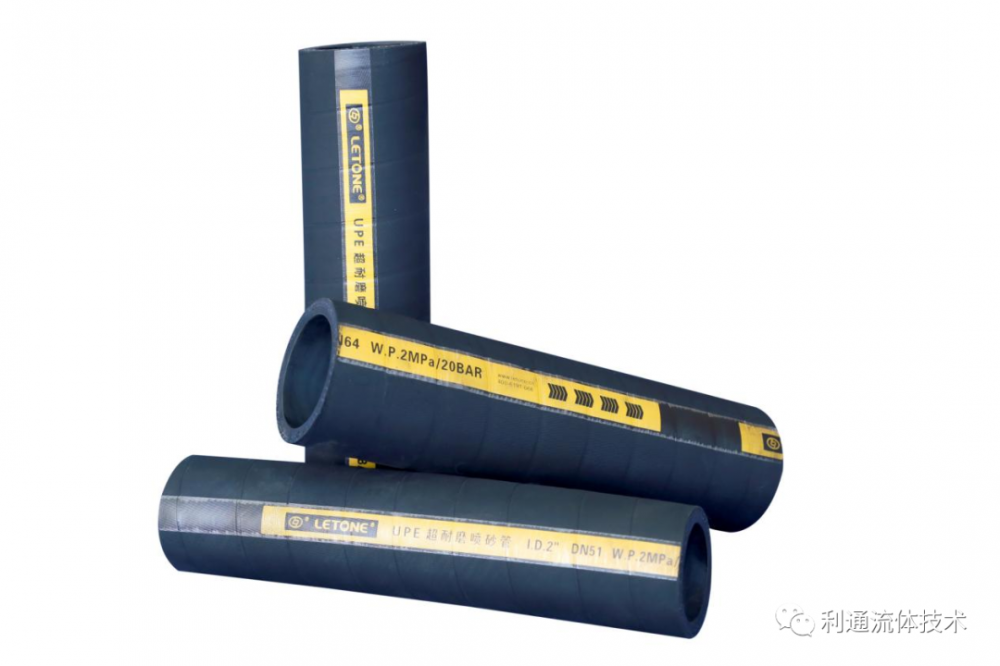
Outer Layer
The outer cover of a hydraulic hose protects the inner tube from damage caused by external factors such as heat, cold, chemicals or abrasion. This layer is also designed to withstand the pressure of the hydraulic fluid flowing through it. There are many different hose cover materials to meet specific performance requirements. Some are even anti-static or flame resistant to prevent the buildup of static electricity.
A hydraulic hose must be able to withstand a wide range of temperatures, from the internal liquid temperature to the external working temperature. Hoses are rated for minimum and maximum operating temperatures; operating outside of these ranges can dramatically reduce the lifespan of the hose or cause failure. There are also versions of hydraulic hoses that can operate at low temperatures, though this requires a careful balance between the inner tube material and the application`s operating conditions. For example, a hose that is rated for gas welding must be capable of operating at very low temperatures while still allowing the welding process to take place without compromising abrasion resistance.
Fittings
The fittings of a hydraulic hose are essential for making an accurate connection to the ports of machinery. They can be male or female units with straight or parallel threads that wedge together to create a seal.
It is important that the fittings match the hose in terms of size and are compatible with the hydraulic fluid being used. This will prevent damage to the hose caused by pressure spikes or chemical interactions between the hydraulic fluid and the lining.
In addition, the hose must be designed to handle the temperatures of the working environment it will be placed in. High temperatures can cause a hose to lose flexibility or even rupture if not built strong enough. A quality hose can withstand extreme working conditions that include abrasion, severe weather and vibrations. Regular inspections of the hose and fittings can prevent damage from occurring due to temperature. They can also help reduce maintenance and replacement costs.