
If you're in the concrete pumping business, you need reliable hoses to keep your job running smoothly. Choosing the right hose can help you avoid accidents and save time.
One common accident is 'hose whip', which happens when the concrete hose gets pulled back quickly. This can lead to injuries and property damage.
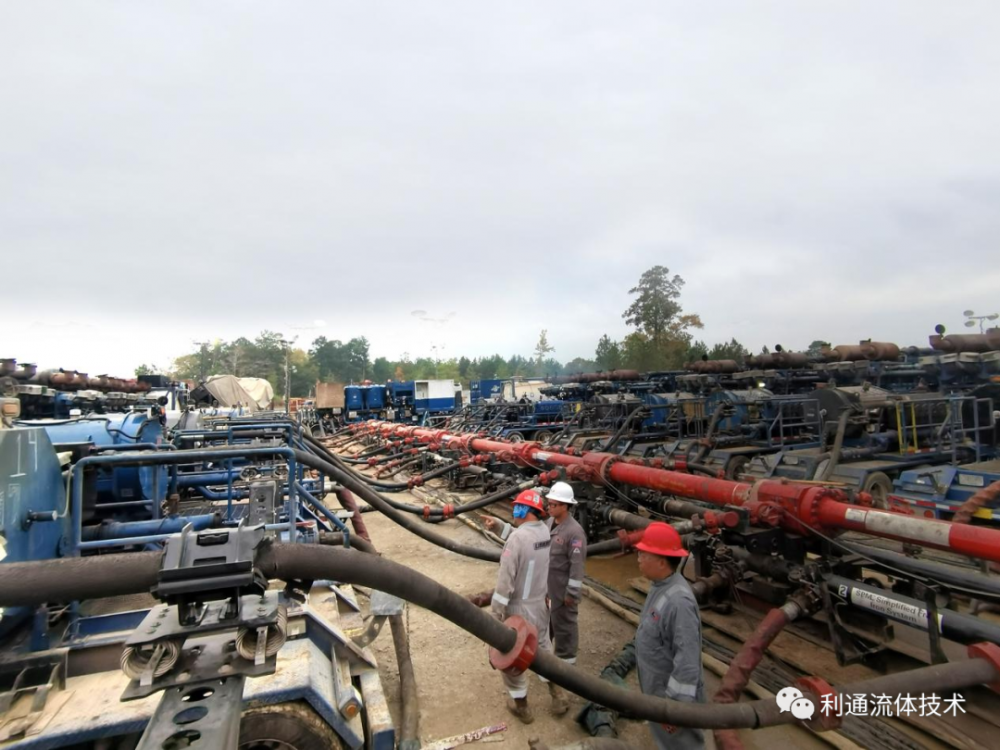
High-pressure hoses
High-pressure hoses are used to transfer liquids under extreme working pressure. They are designed to be durable, flexible and able to withstand high temperatures. They are also available in a variety of lengths and connection types. They are commonly used in power washers, air compressors and automobile fluid systems.
A high-pressure hose reel is an essential investment for any contractor. It helps to prevent hoses from being stepped on, driven over or kinked while not in use. It can also make it easier to use a pressure washer since it reduces the amount of manual handling.
Steel concrete pumping hoses are typically attached to line pumps that are mounted on a trailer or truck. These hoses can be extended to allow you to easily direct the flow of concrete at the site of application. They come in a variety of lengths, including 10', 12.5', 25' and 50' sections. These hoses are often reinforced with double wire braids for extra strength. They are also equipped with a molded fit bend restrictor on both ends to prevent kinking near the connections.
Low-pressure hoses
Unlike high- and extremely high-pressure hoses, which have spiralled, high-tensile steel wire wrapped around their bodies, low-pressure hoses have even-numbered layers of woven textile fibers that balance pressure and containment forces. This means that they are less likely to rupture than spiral hoses.
Another advantage of these hoses is that they are more durable. They can withstand a lot of abuse, and their thick rubber coatings make them difficult to puncture or damage. These hoses also have exceptional torsion resistance.
Depending on the application, the pressure rating of a hose can vary from a few hundred to thousands of pounds per square inch (psi). It is important to know how to select the right one for your project. The best way to do this is by looking at the operating - or working - pressure of the hose. This figure is usually four times the burst pressure, which is a safety factor. These hoses are typically used in municipal, rural and industrial settings.
Foam concrete hose
Foam concrete is a type of lightweight construction material that can be pumped long distances. It can be injected into the smallest voids and cavities on a project site, making it ideal for backfilling pipes and tunnels. It can also be used to fill excavations and trenches.
The stability of foam concrete is influenced by the water-cement ratio, superplasticizer addition, and the dilution of the foaming agent. The foaming agent dilution ratio has the greatest influence on the stability of the mix. The addition of fly ash improves the pore structure, which increases the stability of the foam concrete.
Piston pumps have a lot of moving parts, so they can be prone to wear. This means that they need to be kept in good condition. Unlike piston pumps, peristaltic pumps don`t have moving parts, so they can be more resistant to wear. Nevertheless, they do need to be cleaned regularly and replaced when necessary.
Reinforced hose
A hose`s ability to handle pressure depends largely on the strength of its reinforcement layer. This layer is woven, braided or coiled and gives the hose resistance to abrasion, impact damage and contact with chemical substances. It also determines a hose`s burst pressure rating and kink-resistance.
There are three major types of hose reinforcement: spiral, helical, and braided. Spiral reinforcement consists of a wrap made from wire or textile material that is applied at a predetermined angle. Braided reinforcement combines the reinforcement wires in a crisscross pattern to provide more strength and flexibility. These features help the hose more reliably withstand impulse loads and improve longevity.
While industrial hoses wear out over time, the type of reinforcement style you choose can make a difference in the longevity of your equipment. Investing in higher-quality hoses can save you money, labor and operational downtime in the long run. This is particularly true for hydraulic hoses, which are subject to operational wear and tear that can be exacerbated by the type of reinforcement they use.