

Fitting hose hydraulic connects vessels to other components in a hydraulic system. They are permanent types of couplings that are either crimped or flanged on.
A good fit is important to prevent leaks and ensure that the hose can handle pressure, temperature and other environmental factors. This is particularly true for gaseous hoses that can release explosive or toxic fumes.
Types of Fittings
There are many different types of hydraulic hose fittings. Some rely on metal-to-metal contact to form a seal, while others use O-rings to contain pressurized fluid. Both methods require tightening the threads of mating halves to generate stress that creates a high-pressure seal. Fittings are available in stainless steel, brass, and aluminum. These materials have different temperature and pressure ratings, as well as corrosion resistance characteristics.
Hydraulic hose fittings can be permanent or field attachable. The permanent type requires a crimping machine to install. This type is often used on new equipment. The reusable or field attachable type is suitable for use with existing equipment and can be attached without the need for a crimping machine. The reusable fittings also come in different connection styles, including O-ring, mated angle, and threaded. They can be connected using either a JIC 370 flare or NPT threaded coupling. Other accessories include push-fit plastic dust caps and metal screw-on caps.
Pressure Ratings
Hydraulic hoses and fittings are rated for working pressures, which should not be exceeded. Operating outside the maximum rated pressure rating can cause a failure or loss of seal, leading to expensive downtime, property damage and safety issues.
Choosing the correct hose and fitting for your hydraulic system is a crucial step that can reduce downtime, increase productivity and save on maintenance costs. A poorly chosen hose or fitting can cause system failure, which will result in costly downtime, lost productivity and even injuries.
When selecting a hose, be sure to take into account the type and grade of the material, its temperature ratings and pressure requirements. Consider also the hose and fittings` working pressure and burst ratings, along with their compatibility and crimping process. For example, stainless steel adapters are rated for different pressures than standard hose and tube. They should be crimped with equipment that can withstand their pressure rating, not just your standard hydraulic hose crimpers.
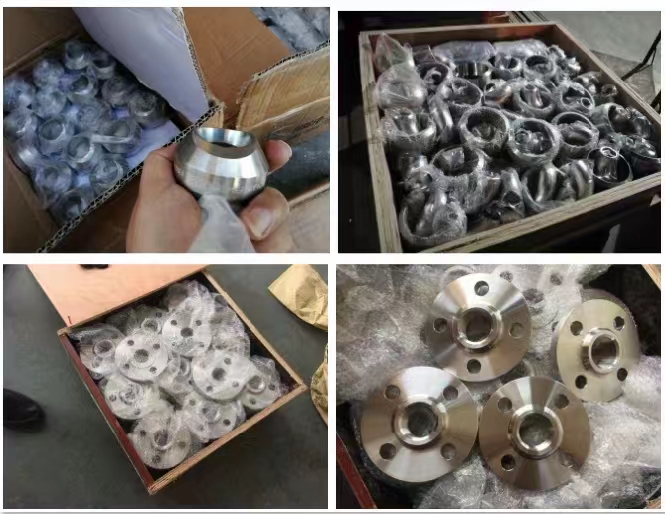
Materials
A hydraulic fitting's materials depend on the environment and operating conditions. It should be strong and durable enough to withstand the pressure of the hose it connects to, but also resistant to corrosion. Fittings made of brass, aluminum, steel or stainless steel are good choices, as are nitrile O-ring seals. The hydraulic hose itself should be compatible with the fluid it's carrying, and have a temperature range that allows it to operate without damage.
Hydraulic tubing is usually designed as abrasion, oil and ozone-resistant. Its cover is typically a synthetic rubber, such as neoprene or polyurethane. The tube itself can be carbon or stainless steel. Both have a wide working temperature range, but they must be derated for use in higher temperatures and with certain chemicals. When pressurized, a hydraulic hose's volume increases slightly, which can cause the hose to shift position. This can decrease system reaction time and efficiency. Choosing a hose with a tighter bend radius can prevent this from occurring.
Compatibility
Using the right hose and fittings together is crucial to prevent leaks and retain a safe amount of pressure. The wrong fit will lead to a dangerous blow-off and possibly system failure. Exactly matching the hose and fittings in terms of size is also important. Using a larger or smaller fitting can cause hydraulic fluid to leak and overheat.
Additionally, making sure the hose and fittings are chemically compatible is vital in gaseous applications to avoid permeation that can produce toxic fumes and other severe hazards. It is best to choose a single manufacturer for all components to ensure compatibility and a consistent quality of assembly.
Lastly, finding a hose and fittings that are reusable is a great way to reduce costs in the long run. Reusable hoses can be used for longer periods of time and are less expensive to replace than permanent hose fittings that must be crimped each time they are removed from the hose.