

In the industrial production process, the effective conveying of waste is an important part of ensuring the smooth operation of the production line. As the key equipment in this link, the clogging and wear of the conveying hose often lead to reduced production efficiency or even shutdown, causing losses to the company. Therefore, understanding how to solve these problems is crucial to improving the overall efficiency of industrial production. This article will explore in depth how to effectively deal with the clogging and wear of industrial waste material conveying hoses, and provide detailed solutions and specific measures.
1. Working principle of industrial waste material conveying hoses
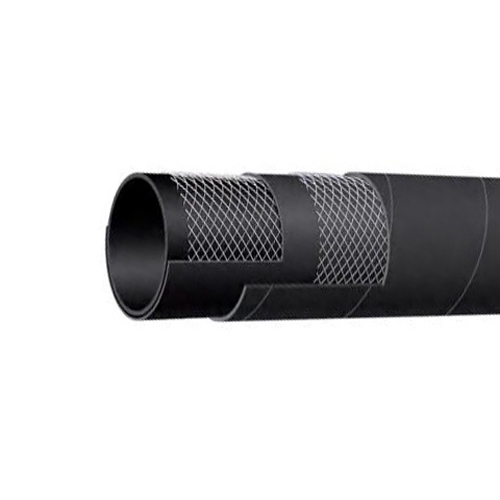
Conveying hoses are usually used to transport industrial waste from one location to another, and are commonly found in factories, mining areas and waste treatment facilities. They are usually made of wear-resistant and corrosion-resistant materials, and have different diameters and lengths to choose from according to different conveying needs. The working principle of the hose is relatively simple: the waste is pushed into the hose by a pump or other equipment, and the waste is transported to the destination by gravity or airflow.
2. Reasons for clogging of conveying hoses
2.1 Material properties
The types of waste transported are diverse, and may contain many solid particles, liquids and gases. Some materials such as mud, sludge, and particles are easy to settle or adhere in the pipeline, causing the conveying hose to become blocked.
2.2 Improper operation
Improper operation and unreasonable setting of conveying parameters will reduce the conveying efficiency and increase the possibility of blockage. For example, if the conveying speed is too fast, the material will rebound and affect the fluidity.
2.3 Hardware facility problems
Old or damaged conveying equipment will also affect the fluidity and even cause the material to accumulate in the hose, causing blockage.
3. How to prevent blockage
3.1 Regular inspection and maintenance
First, establish a regular inspection and maintenance system, regularly check the wear of the conveying hose and the working status of the conveying equipment, and promptly identify problems and make corrections.
3.2 Optimize conveying parameters
Reasonably adjust the conveying speed, pressure and other parameters to ensure that the material can flow stably and avoid blockage caused by too fast or too slow speed.
3.3 Use appropriate conveying materials
Select appropriate hose materials according to the characteristics of the waste to be conveyed. It is recommended to use hose materials with high wear resistance and corrosion resistance, such as polyurethane and polyethylene.
3.4 Installing appropriate filters and separators
Installing appropriate filters and separators in the system can effectively filter out solid particles in the waste and reduce the risk of wear and blockage of the hose.
4. How to solve the blockage that has occurred
4.1 Easy unblocking
For minor blockages, you can use simple unblocking tools such as pipe cleaners, pneumatic unblockers, etc. to manually or automatically remove the material.
4.2 Cleaning the system
For more serious blockages, it is recommended to clean the system and use a high-pressure water gun or chemical cleaner to clean the conveying hose to clean the accumulated waste and sediment.
4.3 Replace damaged parts
If the hose has been severely worn or damaged, it is recommended to replace the damaged parts in time to prevent affecting the overall conveying efficiency.
4.4 Use high-efficiency detergents
During the cleaning process, you can consider using some special detergents, which can effectively decompose the waste and help speed up the cleaning efficiency.
5. Causes of conveying hose wear
5.1 Material properties
During the conveying process, the material and the inner surface of the hose are constantly rubbed, causing the hose to wear, especially when conveying materials with sharp edges or hardness, the wear phenomenon is more significant.
5.2 Violent movement of the conveying fluid
Violent movement of the fluid during the conveying process will increase the wear on the hose, thereby shortening its service life.
5.3 Bending and stretching
When the conveying hose is working, the bending and stretching it is subjected to will also cause wear. Especially when the bending radius of the hose is too small, the wear is more serious.
6. How to prevent wear
6.1 Choose high wear-resistant materials
When choosing a conveying hose, you can choose some high wear-resistant materials, such as hard polyurethane, rubber, etc. Not only can it improve the wear resistance of the hose, but it also helps to extend its service life.
6.2 Control the flow rate
The conveying flow rate of the material should also be reasonably controlled to reduce the friction between it and the hose and avoid wear caused by excessive flow rate.
6.3 Reduce the bending of hoses
Rationally plan the layout of the conveying hose to avoid stubborn bending. For places where bending is necessary, accessories such as elbows or joints can be used to reduce the bending radius.
6.4 Regularly replace hoses
Even if a series of preventive measures are taken, the importance of regular hose replacement cannot be ignored. According to the usage, a scientific replacement cycle is formulated to ensure that the equipment operates in the best condition.
7. Future development trends
With the advancement of science and technology, the materials and processes of industrial waste conveying hoses are also constantly improving. For example, the use of new composite materials and intelligent monitoring technology can effectively improve the durability and efficiency of hoses. In the future, the development of digital management and monitoring systems will provide more accurate solutions for industrial waste transportation.
Conclusion
In the process of industrial waste transportation, the blockage and wear of hoses are links that cannot be ignored. By reasonably selecting materials, strengthening maintenance and management, and promptly dealing with blockage and wear, the transportation efficiency can be significantly improved, the production downtime can be reduced, and greater value can be created for enterprises. In this field, continuous attention to the development of science and technology and full use of new technologies will surely bring new opportunities and challenges to the industrial waste transportation industry.