

In the fields of industrial production, chemical industry, environmental protection, etc., the safety and stability of fluid transmission are crucial. Especially for highly corrosive fluids, how to choose the right pipe has become an urgent problem to be solved. UPE pipes (polyethylene pipes) have gradually become a popular choice in all walks of life due to their excellent corrosion resistance and excellent physical properties.
Basic concept of UPE pipes
UPE pipes are called polyethylene pipes (Ultra Polyethylene), which are plastic pipes with excellent corrosion resistance. UPE pipes are mainly composed of polyethylene, which performs well in low and high temperature environments, and also has good moisture resistance, making them stable in a variety of industrial environments. UPE pipes have a wide range of applications and can be used in chemical transmission, agricultural irrigation, building drainage and other fields.
Superior characteristics of UPE pipes
1. Corrosion resistance: The biggest advantage of UPE pipes is their extremely strong corrosion resistance. This type of pipe can resist the erosion of a variety of acids, alkalis and salts, so it is particularly important in the chemical industry. For example, when handling sulfuric acid, hydrochloric acid and other corrosive liquids, UPE pipes can effectively extend the service life of equipment.
2. Good sealing: UPE pipes have excellent sealing performance and almost no leakage occurs when transporting fluids. This is because UPE pipe connections are made by hot melting or electric melting, which ensures the firmness and sealing of the joints.
3. High and low temperature resistance: UPE pipes can be used normally in the temperature range of -30℃ to +70℃, and can also adapt to working environments with large temperature changes.
4. Lightweight and easy to install: UPE pipes have a low density and light weight, so they are more convenient during transportation and installation. At the same time, even for large-scale engineering projects, the installation of UPE pipes can greatly reduce labor and time costs.
5. Long life: The service life of UPE pipes can reach more than 50 years, which is of great significance for reducing maintenance costs and downtime. In long-term applications, UPE pipes can provide users with higher economic benefits.
6. Low friction coefficient: The inner wall of UPE pipe is smooth, and its friction coefficient is low, which can effectively reduce the energy consumption of fluid transportation and improve work efficiency.
Application fields of UPE pipe
The excellent properties of UPE pipe make it widely used in many industries:
1. Chemical industry: In the storage and transportation of chemicals, the corrosion resistance of UPE pipe makes it the first choice. Whether it is acidic and alkaline chemicals or solvents, UPE pipe can effectively prevent the occurrence of chemical reactions.
2. Agricultural irrigation: In the agricultural field, UPE pipe is widely used in drip irrigation and sprinkler irrigation systems due to its ability to withstand high salt water, which greatly improves the utilization efficiency of water resources.
3. Building drainage system: The corrosion resistance of UPE pipe is also applicable to the drainage system in the building, which can effectively prevent corrosion and pipeline damage caused by long-term water accumulation.
4. Food and pharmaceutical industry: UPE pipe can also be used for the transportation of food and medicine. Because of its non-toxic and odorless characteristics, it has been widely used in this field.
5. Municipal Water Supply and Drainage: Some municipal projects are gradually adopting UPE pipes for water supply and drainage, especially in areas with corrosive soils, where the advantages of UPE pipes are further demonstrated.
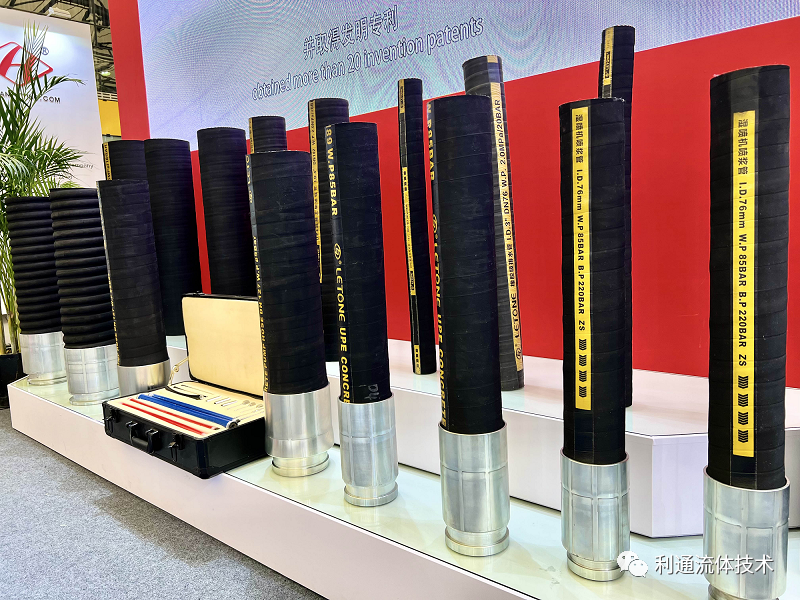
Selecting and Installing UPE Pipes
When purchasing UPE pipes, users should consider the following aspects:
1. Pipe Diameter and Length: Select the appropriate pipe diameter and length based on actual transportation needs to ensure smooth fluid flow.
2. Pressure Rating: Fluid pressure varies under different operating conditions. Select the appropriate pressure rating to prevent pipe rupture during use.
3. Connection Method: UPE pipes can be connected by hot melt or electric fusion. Select the most suitable connection method to ensure a tight seal.
When installing UPE pipes, users should follow the following steps:
1. Preparation: Before installation, inspect the integrity of the pipe and fittings to ensure there are no cracks or defects before proceeding.
2. Cutting: Use specialized cutting tools to accurately cut the pipe to the required length. Ensure the cut is smooth to ensure a tight seal during connection.
3. Connection: Perform hot-melt or electric-melt connections to ensure even heating of the joints. After connection, perform a pressure test to ensure there are no leaks.
4. Protective Measures: Provide necessary protection for installed UPE pipes, especially in outdoor or special environments. UV protection and frost protection should be implemented to extend their service life.
Maintenance and Management of UPE Pipes
Although UPE pipes have a long lifespan, to ensure efficient operation, users still need to perform regular maintenance and management of the pipes:
1. Regular Inspection: Regularly inspect the appearance of the pipes, especially the joints, for leaks or corrosion.
2. Cleaning: When transporting dirty fluids, clean the pipes regularly to ensure they remain unobstructed and prevent sediment from clogging them.
3. Monitoring: For important transmission lines, it is recommended to install monitoring equipment to monitor the pressure and flow rate of the fluid in real time to detect abnormalities.
4. Emergency Plan: Develop an emergency plan. In the event of a sudden pipeline damage or leak, the pipeline should be immediately shut down and repaired to ensure fluid safety.
Conclusion
As an excellent corrosion-resistant piping material, UPE pipe, with its excellent physical properties and wide application, has become the preferred choice for fluid transportation in various industries. Through careful selection, professional installation, and scientific maintenance, UPE pipe can fully demonstrate its performance advantages over long-term use, reducing operating costs and achieving higher economic benefits.